The Roofing Seasonal Breakdown
For many homeowners in Carroll and Frederick Counties, the question isn’t just how much a roof costs, but when to pull the trigger on a replacement. Waiting until a leak appears in your ceiling usually means you’ve waited too long.
In 2026, shifting weather patterns and material availability have changed the traditional “roofing season.” Here is what you need to know about timing your asphalt shingle replacement for maximum longevity and efficiency.
Spring: The “Safety First” Season
Spring is often the busiest time for Maryland roofing contractors. After a winter of heavy snow or ice damming, many homeowners discover damage they didn’t know was there.
The Benefit: Addressing winter wear early prevents spring rain from turning a small crack into a mold issue.
The Reality: High demand means you may wait 4–6 weeks for an open slot on the schedule.
Summer: The Fast-Seal Window
Asphalt shingles rely on a thermal seal. The adhesive strip on the back of each shingle needs consistent heat to “activate” and bond to the shingle below it.
The Benefit: Summer heat ensures a nearly instant, wind-resistant seal.
The Reality: Extreme humidity and 90°F+ days can be grueling for crews, often requiring early 6:00 AM starts to ensure the shingles aren’t “scuffed” by foot traffic in the midday sun.
Fall: The “Goldilocks” Zone
Most experts agree that September through November is the premier time for shingle installation in the Mid-Atlantic.
The Benefit: The mild temperatures are perfect for the asphalt to cure slowly and firmly. Plus, you’ll have a fresh, sturdy barrier before the first heavy snow or “Nor’easter” hits.
The Reality: Everyone wants a fall roof. Booking by July or August is usually necessary to snag a November date.
The 3 Warning Signs You Can’t Ignore This Year
If you aren’t sure if you can wait another season, look for these “silent” indicators on your roof:
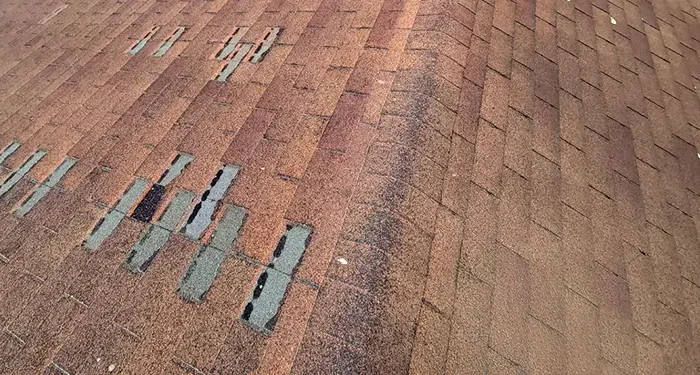
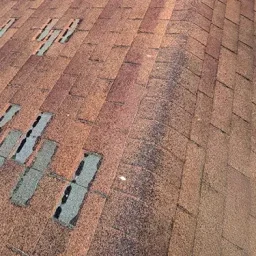
Granule Loss (The “Bald” Spot): Check your downspouts after a heavy rain. If you see piles of sand-like grit, your shingles have lost their UV protection. Without those granules, the sun will bake the asphalt brittle in a single summer.
Curling or “Cupping” Edges: When shingles begin to turn upward at the corners, they are no longer shedding water properly. This allows wind to get underneath, which can lead to shingles blowing off during a thunderstorm.
Interior Dark Spots: Small brown circles on your upstairs ceiling or “shadows” on the plywood in your attic are signs of slow moisture intrusion.
Modern Shingle Technology in 2026
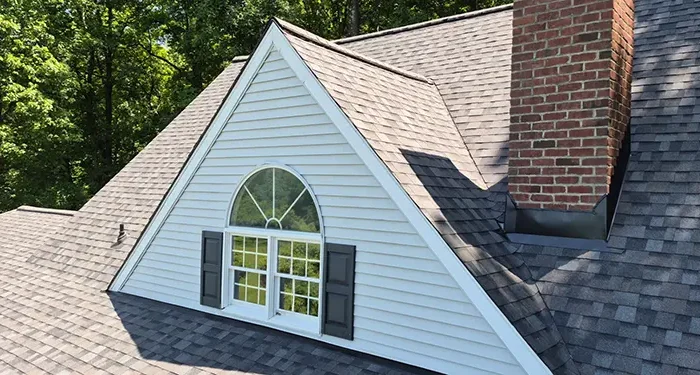
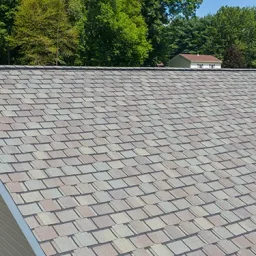
Roofing technology hasn’t stayed stagnant. If your current roof is 20 years old, you’ll notice that today’s Architectural Shingles are vastly different. Modern shingles are engineered with “Cool Roof” granules that reflect more sunlight, helping to lower your AC bills during Maryland’s humid July afternoons.
Additionally, many 2026 shingle lines feature enhanced Algae-Resistance. If you’ve seen those ugly black streaks on North-facing roofs in your neighborhood, those are actually cyanobacteria. Newer shingles are infused with copper or zinc to prevent those stains for 15–25 years.
The Verdict: Don’t Wait for the Drip
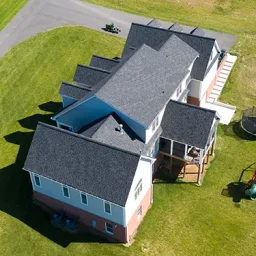
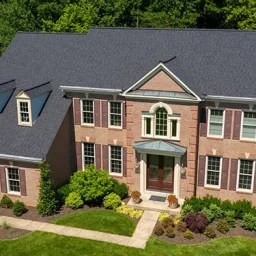
The best time to replace your roof is when you can plan for it, rather than reacting to an emergency. A planned replacement allows you to choose your preferred shingle color, coordinate with your schedule, and ensure your home’s most important defense is ready for whatever the Maryland weather throws at it.
At DWM Roofing, homeowners throughout Maryland trust our team for honest guidance, professional installation, and high-quality workmanship. DWM Roofing serves homeowners across Carroll County, Baltimore County, Howard County, Montgomery County, and Frederick County.