A leaking roof is one of the most stressful problems a homeowner can face. Whether it’s a small water stain on the ceiling or water actively dripping into your home, a roof leak is never something to ignore. Even a minor leak can lead to mold growth, damaged insulation, ruined drywall, and expensive structural repairs. Below are eight of the most common reasons your roof may be leaking, when to get a roof inspection, and what you should do next.
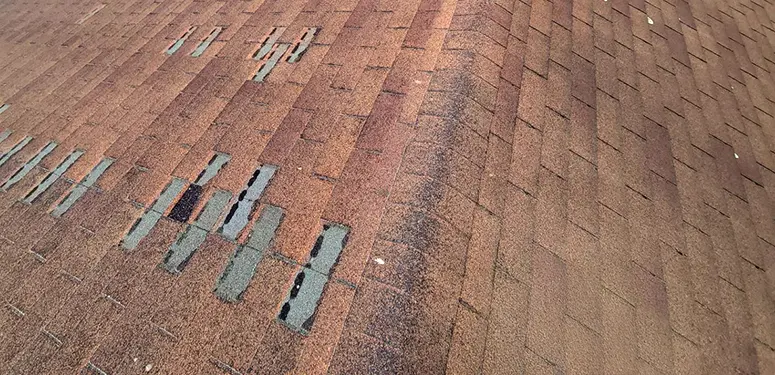
1. Damaged or Missing Shingles
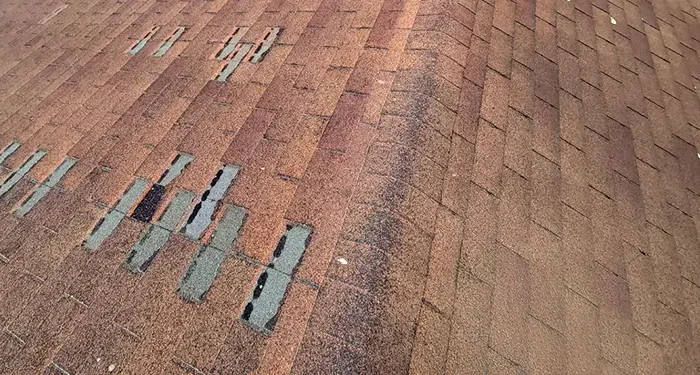
Even one missing shingle can expose the underlayment beneath your roof. While underlayment provides temporary protection, it is not designed to withstand prolonged exposure to the elements. Over time, repeated rain, snow, and UV exposure can allow moisture to penetrate the roof decking, leading to rot and interior leaks.
After severe storms, homeowners should also look for shingles that appear lifted or loose. Even if they haven’t completely blown off, lifted shingles can break the waterproof seal and allow wind-driven rain to enter beneath the roofing system.
Signs to watch for:
- Missing shingles after a storm
- Cracked or curling shingles
- Granules collecting in your gutters
- Water stains appearing after heavy rain
2. Flashing Failure
Flashing protects some of the most vulnerable areas of your roof where different materials meet. Because these joints naturally experience more movement during temperature changes, flashing is often one of the first components to fail as a roof ages.
Improper flashing installation is also a common cause of roof leaks. If flashing wasn’t installed correctly during the original roof replacement, leaks may appear years later even if the shingles themselves remain in good condition.
Over time, flashing can:
- Rust
- Pull away from the roof
- Crack
- Develop failed sealant
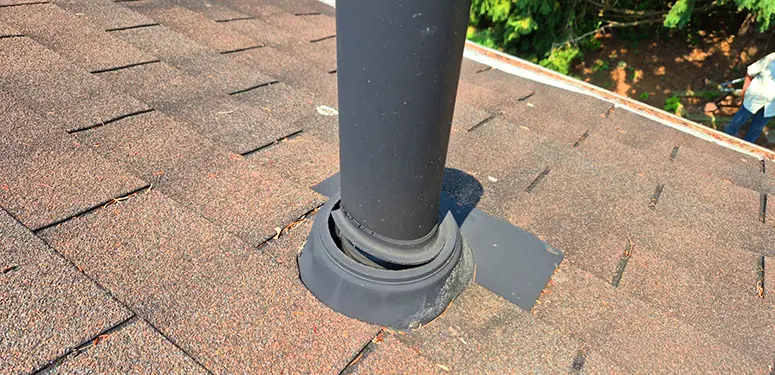
3. Pipe Boot Damage
Every plumbing vent that comes through your roof has a rubber boot designed to seal around the pipe. Unfortunately, these boots are exposed to the sun year-round. As they age, the rubber becomes brittle and cracks. A failed pipe boot is one of the most common roof leaks we see because it’s inexpensive to replace but easy to overlook.
4. Aging or Damaged Aluminum Ridge Vent
Most asphalt shingle roofs last between 20 and 30 years, depending on the quality of the materials, installation, ventilation, and exposure to severe weather. If your roof is approaching this age and you’re experiencing multiple leaks, investing in a roof replacement may be more cost-effective than repeatedly paying for repairs.
Over time, aluminum ridge vents can:
- Develop loose or missing fasteners
- Become bent or damaged by storms or falling branches
- Separate from the roof as the decking shifts over the years
- Allow wind-driven rain to enter if sections become lifted or warped
5. Clogged Gutters
Clogged gutters don’t just affect your gutters—they can impact your entire roofing system. When water backs up behind the gutter, it can soak the roof decking, fascia boards, and soffits. During colder months, trapped water can freeze and create ice dams that force melting snow beneath shingles, leading to interior leaks.
6. Debris Buildup in Roof Valleys and Wall Intersections
Not every roof is designed the same. Some homes have areas where two roof sections meet a wall or create a tight valley that naturally collects leaves, pine needles, and other debris. Over time, this buildup acts like a dam, preventing rainwater from flowing off the roof the way it was designed. Instead, water can pool in these low spots and eventually work its way beneath the shingles or flashing, leading to leaks inside your home.
Common problem areas include:
- Roof-to-wall intersections
- Dead valleys
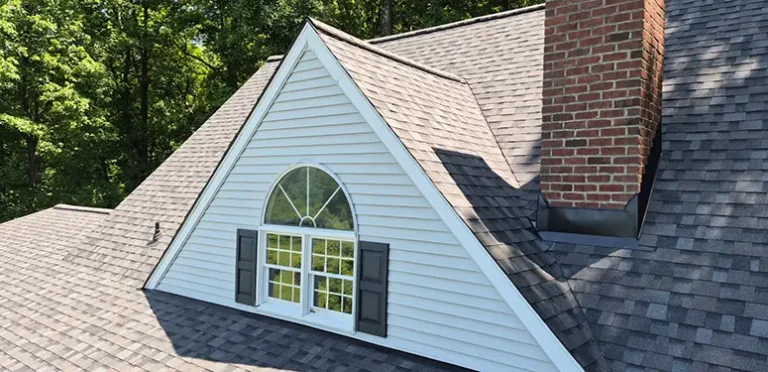
- Areas behind chimneys
- Tight corners where multiple roof sections meet
These areas should be inspected and cleaned regularly, especially after the fall season or following severe storms. If you notice debris accumulating in the same spot year after year, it may indicate a roof design that requires extra maintenance or a modification to improve water drainage.
Even a roof in otherwise excellent condition can develop leaks if water is allowed to sit in one place for extended periods. Regular maintenance can help prevent these hidden trouble spots from turning into costly repairs.
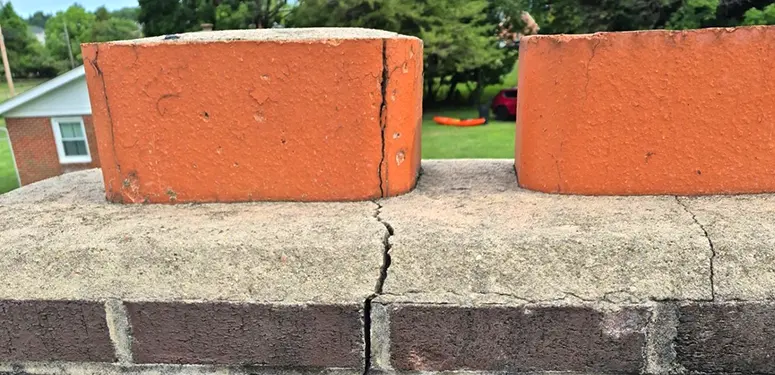
7. Damaged Chimney Masonry or Chimney Cap
Your chimney is one of the most common places for roof leaks to develop—and it’s not always the roof that’s to blame. Over time, brick and mortar can crack, allowing rainwater to seep into the chimney. A damaged or missing chimney cap can also let water enter from the top, where it may travel down the chimney or find its way into the attic and ceiling.
Common chimney-related causes of leaks include:
- Cracked or deteriorating mortar joints
- Spalling (flaking) bricks
- A damaged or missing chimney cap
- Cracked concrete chimney crown
- Failed flashing where the chimney meets the roof
Because water can travel before it becomes visible inside your home, a leak near your fireplace or chimney doesn’t always mean the flashing has failed. Sometimes the masonry itself is allowing water in. A thorough roof inspection should include both the chimney flashing and the condition of the chimney masonry and cap to identify the true source of the leak before repairs are made.
8. An Aging Roof
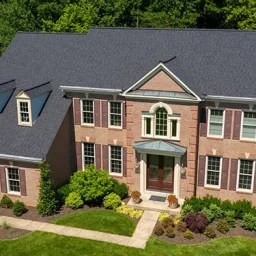
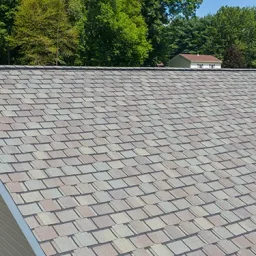
Most asphalt shingle roofs last between 20 and 30 years, depending on the quality of the materials, installation, ventilation, and exposure to severe weather. If your roof is approaching this age and you’re experiencing multiple leaks, investing in a roof replacement may be more cost-effective than repeatedly paying for repairs.
Signs your roof may simply be reaching the end of its life include:
- Curling shingles
- Bald spots where granules are missing
- Frequent repairs
- Multiple leaks
- Sagging areas
Why Roof Leaks Can Be Difficult to Locate
Roof leaks don’t always occur directly above the water stain on your ceiling. Water can travel several feet along rafters, roof decking, or insulation before dripping into your home. That’s why the visible damage inside your house often isn’t directly below the source of the leak.
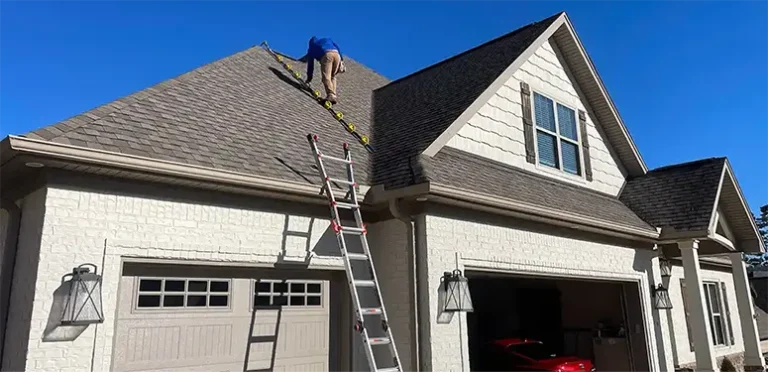
During a professional inspection, a roofing contractor examines the entire roofing system—including shingles, flashing, ridge vents, pipe boots, valleys, gutters, and attic ventilation—to determine the true source of the problem.
How to Prevent Roof Leaks
While not every roof leak can be avoided, regular maintenance can significantly reduce your risk. Preventive maintenance is often much less expensive than repairing water damage inside your home.
A few simple habits include:
- Inspect your roof after major storms.
- Clean gutters at least twice a year.
- Trim tree branches that hang over your roof.
- Replace damaged shingles promptly.
- Schedule a professional roof inspection every few years.
- Address small repairs before they become major leaks.
What Should You Do If Your Roof Is Leaking?
Discovering a roof leak can be stressful, but taking the right steps can help minimize damage while you wait for a professional inspection. If you notice water entering your home, don’t ignore it—even a small leak can quickly become a much larger problem.
If your roof is leaking:
- Place a bucket or container beneath any active drips to help prevent water from damaging your floors or belongings.
- Move furniture, electronics, and valuables away from the affected area if it’s safe to do so.
- Take photos of the damage for your records, especially if the leak was caused by a recent storm and you may need to file an insurance claim.
- Relieve ceiling pressure if necessary. If you notice a bulging ceiling filled with water, contact a roofing professional immediately. A water-filled ceiling can eventually collapse, creating a safety hazard.
- Avoid climbing onto the roof. Wet shingles are extremely slippery, and storm damage can make your roof unstable. Leave the inspection to trained professionals with the proper safety equipment.
- Schedule a professional roof inspection as soon as possible to identify the source of the leak and prevent additional damage.
Remember, the visible water stain on your ceiling isn’t always directly below the source of the leak. Water can travel through the attic, insulation, and roof decking before it becomes visible inside your home, making professional inspection essential.
When Should You Call a Roofing expert?
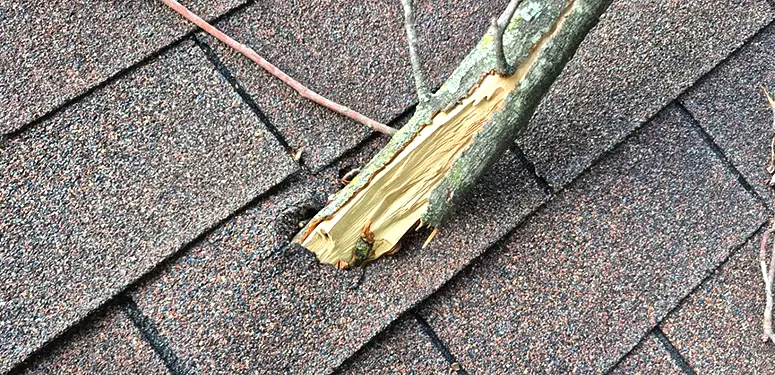
While every roof leak should be addressed as soon as possible, some situations require immediate attention. If water is actively pouring into your home, a tree has fallen on your roof, your ceiling is sagging, large sections of shingles are missing after a storm, or you notice a burning smell near electrical fixtures affected by water, the situation should be treated as an emergency.
In these cases, protect your belongings if it’s safe to do so, stay away from areas with sagging ceilings or potential electrical hazards, and contact a professional roofing contractor immediately. Acting quickly can help prevent further damage to your home and reduce the risk of serious safety hazards. At DWM Roofing, we provide honest roof inspections throughout Central Maryland and can identify the source of the leak—even when it’s not obvious from the ground. We service Carroll County, Baltimore County, Montgomery County, Howard County, Frederick County.
Looking for more answers about your leak? Check out our recent article: How to Tell If You Need a Roof Replacement or Just a Repair?