A ceiling water stain doesn’t always mean your roof is leaking. Common causes include plumbing leaks, air conditioning condensation, chimney damage, clogged gutters, faulty appliances and water entering around windows or exterior walls. Identifying when and where the moisture appears can help narrow down the source.
Water can travel along pipes, beams, and other surfaces before becoming visible, so the source may be some distance from the stain. Before scheduling roof repairs, it’s worth considering what else could be causing the problem.
1. A Plumbing Leak
A ceiling stain beneath a bathroom, kitchen, or laundry room may point to a plumbing problem. Water supply lines, drainpipes, and connections can leak slowly, leaving discoloration long before a steady drip appears. Bathtubs and showers can also allow water to escape through failed seals or damaged waterproofing.
Clues to look for: A stain that darkens after someone showers, runs a faucet, or uses an upstairs appliance.
2. Air Conditioning Condensation
Your air conditioner removes moisture from the air as it cools your home. That water normally drains away through a condensate line.
If the line becomes blocked, the drain pan is damaged, or another drainage problem develops, water can escape. When the equipment is in the attic or above a finished ceiling, the resulting stain can look like a roof leak.
Cold ductwork can also develop condensation when insulation is missing or damaged.
Clues to look for: Moisture that appears during hot, humid weather or while the air conditioning is running.
3. Water Entering Around a Chimney
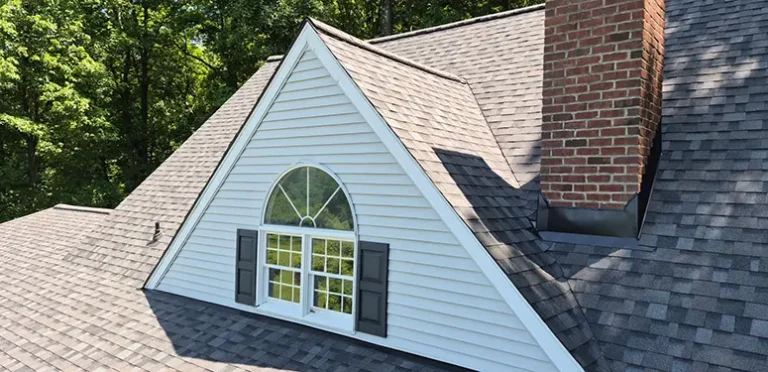
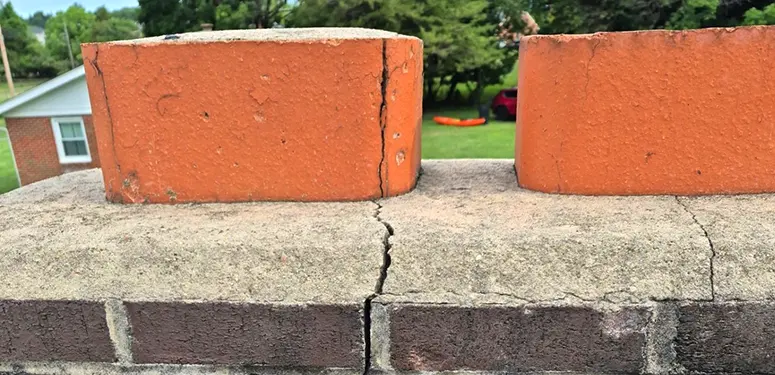
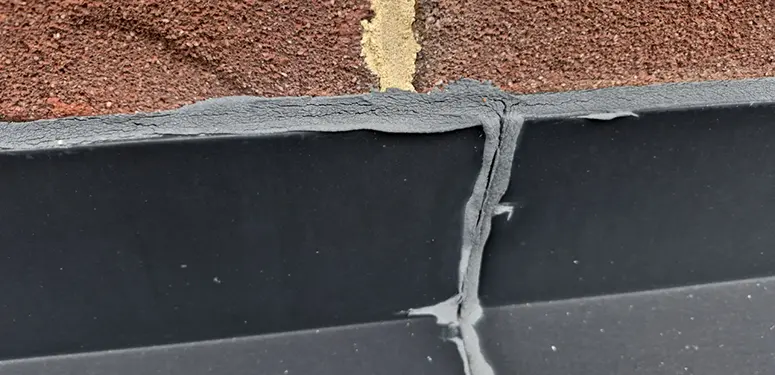
A chimney can allow water inside through deteriorated masonry, a cracked chimney crown, or damaged flashing where the chimney meets the roof.
Although flashing problems involve the roof connection, other chimney defects may require a chimney specialist or masonry professional.
Clues to look for: Staining near the chimney, damp fireplace walls, or moisture that becomes noticeable after rain.
4. Leaks Around Windows or Exterior Walls
Water doesn’t always enter from above. Wind-driven rain can find its way through gaps around windows, damaged siding, or improperly installed flashing.
Once inside the wall, it can travel downward or sideways before showing up on a ceiling or interior wall.
Clues to look for: Stains near exterior walls or windows, especially after storms with strong winds.
5. Overflowing Gutters or Downspouts
Blocked gutters and downspouts can cause water to back up or spill against parts of the home that aren’t designed to handle that flow.
Depending on the roof edge and wall construction, water may enter around the fascia, soffit, or adjoining wall.
Clues to look for: Gutters spilling over during rain, staining near exterior ceiling edges, or visible debris blocking drainage.
6. An Upstairs Appliance
Washing machines, dishwashers, refrigerators with water lines, and water heaters can all develop leaks. Loose connections, damaged hoses, or leaking components may release water intermittently, making the source difficult to spot.
Clues to look for: Moisture that appears after an appliance runs or beneath an area containing water-connected equipment.
How to Narrow Down the Cause
Start by noting when the moisture appears. Does it follow rain, cold weather, air conditioner use, or an upstairs shower? Take photos and record any changes in the stain.
If you can safely inspect the area above it, look for damp materials or visible drips. Avoid climbing onto the roof or entering an attic without safe access and secure footing.
A bulging ceiling, active dripping near electrical fixtures, or rapidly spreading water calls for prompt attention. Keep people away from the affected area and contact an appropriate professional.
Find the Source Before Making Repairs
Painting over a stain may hide the evidence, but it won’t solve the problem. The first step is identifying where the water originates, fixing the cause, and allowing affected materials to dry.
A roof inspection may still be the right place to start, particularly when moisture follows rain. But considering plumbing, condensation, cooling equipment, and exterior openings can help you get the right repair—and avoid paying for work that doesn’t address the leak.
Need Help Identifying the Source of a Leak?
Finding the source of a ceiling water stain is the first step toward preventing further damage to your home. If you suspect your roof may be the problem, DWM Roofing can help identify potential issues and recommend the right repairs. Learn more about our roof repair services and explore our other roofing resources for helpful information on recognizing signs of roof damage and knowing when it’s time for a roof replacement. Whether you’re dealing with a minor leak or considering a new roof, understanding the condition of your roofing system can help you make informed decisions about protecting your home.